So, what’s the big idea?
Let’s start with the big picture. The global energy system is fucked. Global carbon dioxide emissions are causing a climate crisis that without rapid phasing out of fossil fuels risks billions of refugees and excess deaths later this century. That phase out is not happening. At the same time, 1 in 5 households in Hull (and 13% nationally) are in fuel poverty. This crisis is a result of how our political and economic systems are structured, valuing profit over people. Having to choose between eating and heating when there is more than enough to go round is madness. Over £1 out of every £5 that we spend on our electricity bills goes into private profits and the electricity market is stacked against investment in renewables.
We could go on about all the elements of the crisis we find ourselves in - from the mental health crisis and crumbling NHS to the spiralling cost of living and housing crisis. Trusting governments to solve these problems without movements to keep them accountable to the people has failed. Without us getting organised this isn’t going to change. Power Hull starts from this frank look at these realities. We can’t leave it to politics-as-usual. We need to both build ways of providing for our needs that don’t depend on the violence climate change and capitalism. But on their own niche alternatives are not enough. We need to build grassroots power - organisations of real people - that can discipline and reshape the existing political-economic system. Power Hull aims to be part of that movement, building alternatives and fighting the harms of the existing system.
So, what’s the plan?
For us, the first point of call is starting to organise in our communities around assets we own and control as a community. In the case of Power Hull this means replacing our dependence on corporate electricity with community energy. Power Plangeo is Power Hull’s first project doing this. It has two components: an energy local club and community owned solar panels.
Power Hull is currently working upon setting up an Energy Local Club called Power Plangeo. The energy local club will mean local electricity customers living in the “Plangeo” substation area can buy electricity generated locally. Any local community building or business in Plangeo with solar panels on their roofs (or wind turbines) can sell electricity locally at higher than the normal export rate. At the same time local households can buy electricity for less than the normal tariff. This works because we are cutting out the middle-man electricity distribution companies (like British Gas, EON etc.) and solar electricity is one of the cheapest ways to generate electricity. The Power Plangeo energy local club will incorporate as a separate cooperative to Power Hull.
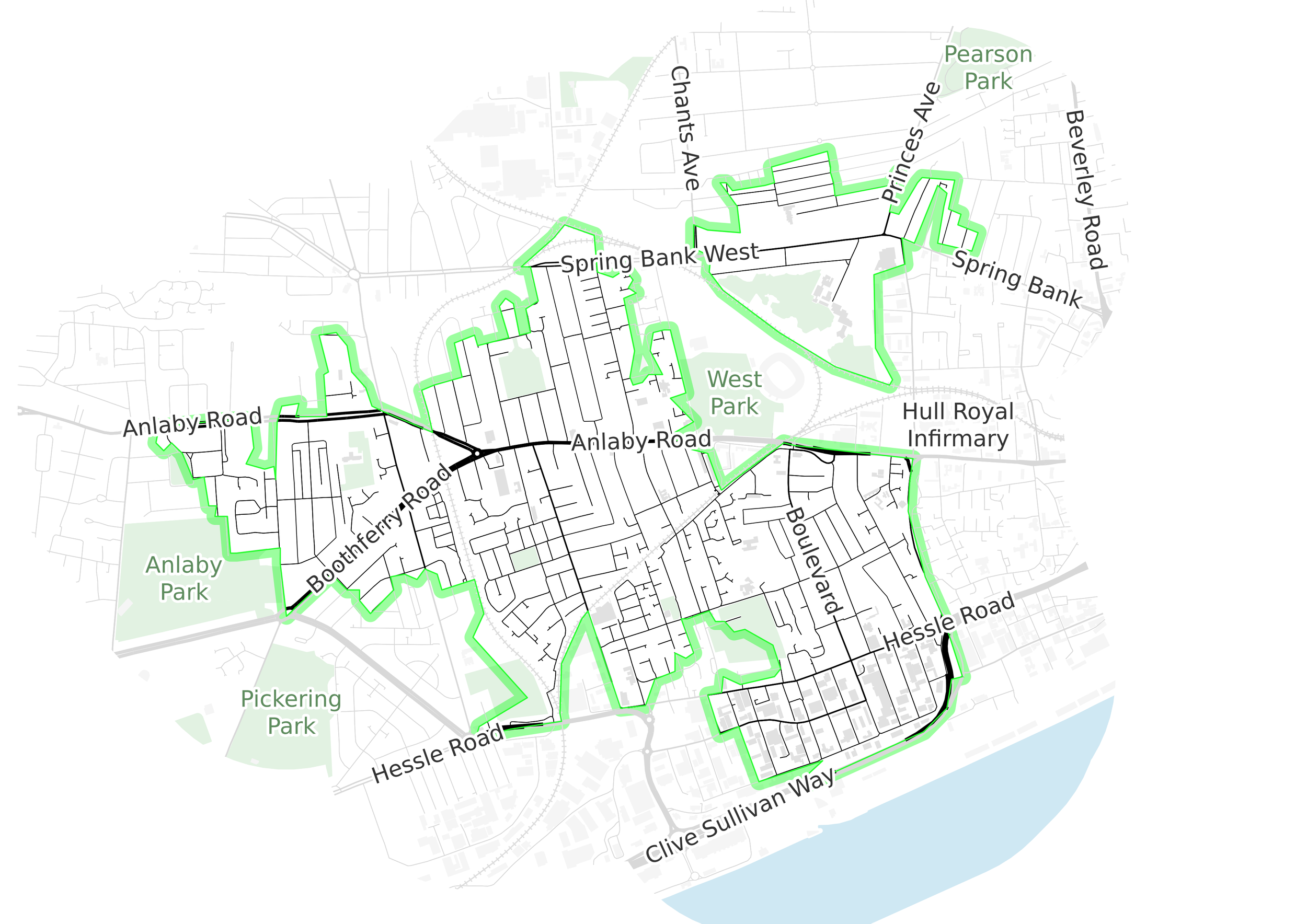
The Plangeo Substation Area in West Hull.
At the same time we are working with local community buildings in the Plangeo substation area to install solar panels on their roofs. This will increase the amount of electricity generated locally, increasing the number of households that can sign up to be consumers in the club. We plan to raise the funds to pay for this through a community share offer - lots of people contributing a small amount to pay for the panels, each getting their money back (plus a small interest payment) as we sell the electricity.
Beyond Plangeo
But that’s just the start of what we want to get done. A few solar panels on community buildings and some households getting slightly cheaper electricity is good, but a drop in the ocean compared to the scale of the crises stated above. Power Plangeo is just the start. Building this project is a learning process through which we are building a model to implement elsewhere. There are two features of Power Hull which we think will enable this scaling: our economic and democratic structures.
First, the economics of electricity. At the moment, investment in renewables is seriously limited by the structure of the wholesale market. This is the market that generators (large wind and solar farms as well as conventional fossil fuel power stations) sell to and that the energy companies we all buy electricity from purchase from themselves, as well as some larger industrial consumers. The energy companies then sell the energy to individual consumers. The wholesale electricity market is both highly volatile and tends to award renewable generators with the lowest prices. However, by selling direct to households and other consumers we are bypassing the wholesale market, making the installation of new renewable generators much more financially viable and returns much more predictable.
Second, building a democratic organisation means this scale can serve people, not profit. We are building an organisation where members will directly control, through regular assemblies (big public meetings where we do our best to make sure everyone gets a say), the price locally generated electricity is sold at and how any surplus is spent. This replaces the imperative to provide shareholders with quarterly returns with democratic decisions made based on community needs. We still exist within a broader capitalist economy, so can’t completely escape that. We still need to buy our solar panels from somewhere, use the existing privatised grid infrastructure and raise finance to purchase panels. Despite this, we still think this is a first step in building an alternative energy system and being part of building a better political and economic system.
This outlines the political wager that Power Hull is taking. It is our best guess at how to start fundamentally transforming our economies and political systems. Society is too complex and changeable to fully understand the problems we face before we act on them. Added to this, the stakes are incredibly high. This means we must act in that uncertainty while also undertaking ongoing reflection and learning. Learning about the crises we face and refining (or sometimes fundamentally questioning) the direction we are going in based on the best evidence, without letting perfect become the enemy of the good. Time to get to work.